

AMC performs the 700th heart transplantation, a first in Korea.
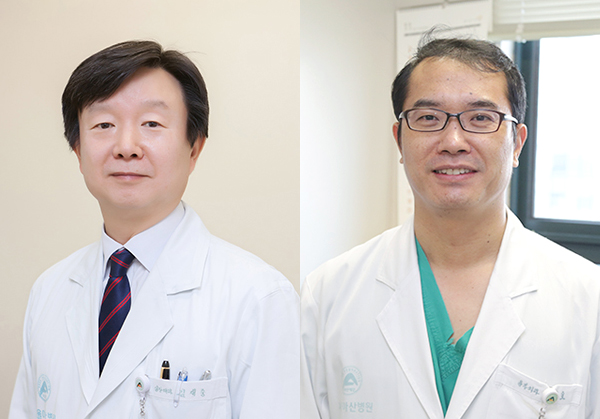
On September 26th, the AMC heart transplantation team successfully performed the deceased donor heart transplantation on a patient named Kim (male, 51) who was in a critical condition due to repeated heart arrests triggered by ischemic cardiomyopathy caused by myocardial infarction. AMC completed its 700th heart transplantation with this case, a first in Korea.
Since Korea’s first heart transplantation in November 1992—a time when organ transplantations from brain dead donors were still legally controversial—performed on a 50-year old woman with end-stage heart failure caused by dilated cardiomyopathy, AMC has performed 700 heart transplantations on patients who had reached the final stages of heart failure.
This achievement was reached in merely two years after the 600th heart transplantation in September 2016 and post-transplant survival rates continue to increase. It is highly attributable to AMC’s abundant surgical experience in heart transplantation and the know-how of postoperative care gained while performing 40% of Korea’s heart transplantations as well as the thorough management of patients including pre- and post-transplant patient education.
AMC’s one-year, five-year, and ten-year survival rates of heart transplant patients were 95%, 86%, and 76% respectively, which were far higher than the rates (81%, 69%, and 52%) announced by the International Society for Heart and Lung Transplantation. The data indicates that AMC leads in heart transplantations all across the world and not just in Asia and stands shoulder to shoulder with the world’s leading medical centers such as Stanford University and the University of Texas.
Professor Kim Jae-Joong of the Division of Cardiology(Left) who leads the heart transplantation team said, “As shown in post-transplant survival rates, Korea’s heart transplantation capabilities are the world’s best, but many patients with end-stage heart failure are still standing at the crossroads of life and death due to the lack of brain dead donors. I want more people to have increased interest in organ transplantation since heart transplantation is largely dependent on brain dead donors.”
Professor Jung Sung Ho of the Department of Thoracic and Cardiovascular Surgery(Right) who performed the 700th heart transplantation said, “Terminally ill patients with heart failure who do not respond to drugs or other therapies require heart transplantation or a ventricular assist device, so that finding a medical center with immense experience in treating heart failure patients is vital to determine the right treatment at the right time and keep patients medically stable prior to transplant.”